⚠️ Crucial Disclaimer and Warning Regarding Hormetic Stress Techniques
🛑 MEDICAL WARNING: DO NOT ATTEMPT WITHOUT PROFESSIONAL CLEARANCE
The information presented regarding hormetic stress techniques (such as intense physical exercise, deliberate cold exposure, heat exposure) is for informational purposes only.
You must not attempt any of these techniques or described behaviors without first being comprehensively checked out and receiving explicit clearance from a qualified physician or healthcare provider.
Hormetic stress techniques can pose significant health risks, especially for individuals with pre-existing medical conditions (including, but not limited to, cardiovascular issues, seizure disorders, pregnancy, and specific mental health conditions).
Failure to obtain medical clearance could lead to severe injury, medical complications, or death.
Do not attempt any of the below-described behaviors without these clearances.
⚕️ NOT MEDICAL ADVICE
THIS INFORMATION DOES NOT CONSTITUTE MEDICAL ADVICE, DIAGNOSIS, OR TREATMENT.
Always seek the advice of your physician or other qualified health provider with any questions you may have regarding a medical condition or before starting any new health protocol, exercise program, or dietary change.
Never disregard professional medical advice or delay in seeking it because of something you have read here or heard from any non-medical source.
🛋️ Therapeutic Relationship Clarification
If you are currently engaged in a therapeutic relationship with me (the provider/therapist):
Your general therapy sessions do not automatically include or constitute "hormetic stress coaching."
Hormetic stress coaching, programming, or advice is a specialized service and is only a part of our work together if it has been explicitly discussed and formally agreed upon as an addition to your treatment plan.
Unless explicitly agreed upon, any reference to hormetic stress is purely educational, and you are still subject to the medical clearance requirements above.
By considering any hormetic stress technique, you acknowledge and agree to this warning and disclaimer.
Harnessing Hormesis: The Power of Stress for Wellness
Our bodies are equipped with an incredible, built-in ability to thrive under pressure. This phenomenon is known as hormesis—the idea that a small, non-lethal amount of stress can trigger beneficial adaptive responses.
By intentionally exposing ourselves to short-term, controlled stressors, we can stimulate positive biological changes that enhance resilience, improve mental well-being, and boost physical performance.
Here are some of the most powerful hormetic stressors you can leverage:
🏃 Exercise: The Proverbial Hormetic Stressor
Exercise is the most widely recognized and established example of a hormetic stressor.
While we often view it as a path to strength and endurance, an intense workout is, by its nature, very physiologically stressful on the body. It causes microscopic tears in muscle fibers, depletes energy stores, and increases blood pressure, heart rate, and body temperature. However, because this stress is limited in duration, the body doesn't break down; it adapts.
This adaptive process leads to profound benefits, including:
Mood and Cognitive Benefits: The release of endorphins and neurotrophic factors (like BDNF) that support brain health.
Physical Adaptation: Improved cardiovascular wellness, increased muscular strength and endurance, and better metabolic function.
Research Highlight (Antidepressant Effects):
A significant body of evidence suggests that exercise can be remarkably effective for mental health.
A meta-analysis published in the journal JAMA Psychiatry concluded that physical activity is an effective treatment for depression, with some studies suggesting its efficacy can be comparable to antidepressant medication for certain populations.
(See: Rethorst, C. D., & Trivedi, M. H. (2015). Evidence-based recommendations for the prescription of exercise for major depressive disorder. J Clin Psychiatry, 76(2), e289–e301.)
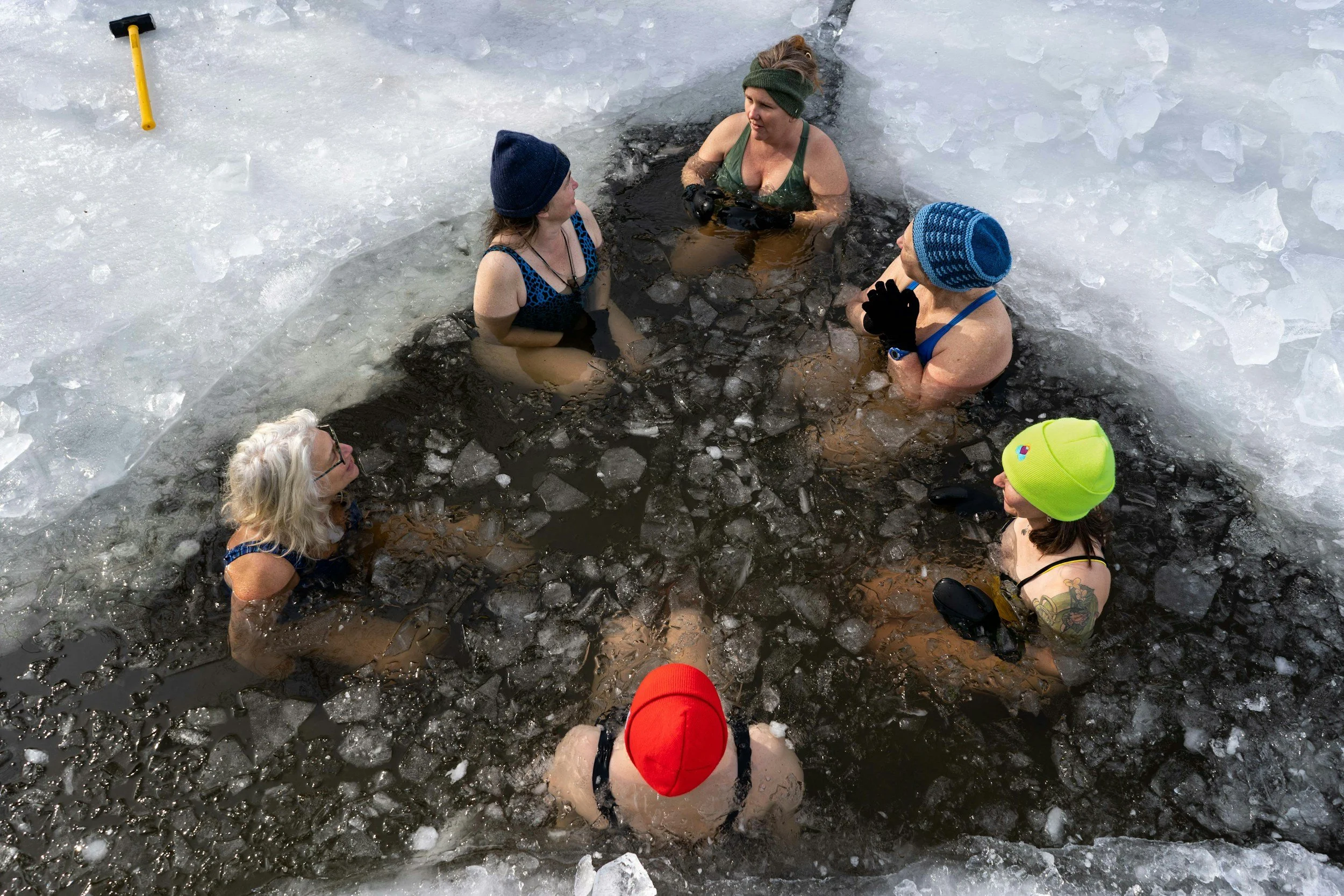
❄️ Deliberate Cold Exposure: Plunge into Resilience
Exposure to cold, through methods like cold plunges or cryotherapy, imposes a rapid and intense stress on the thermoregulatory system. In response, the body is forced to mobilize resources to generate heat.
This acute stress has been studied for its potential to:
Enhance Mood: Activate the sympathetic nervous system and potentially increase levels of norepinephrine, a neurotransmitter that aids in focus and mood regulation.
Boost Metabolism: Activate brown adipose tissue (BAT), which increases caloric expenditure.
Reduce Inflammation: Lower the levels of pro-inflammatory cytokines.
Research Highlight (Cold Exposure and Mood):
Studies have explored the use of cold water immersion for its impact on psychological health.
A review published in the Medical Hypotheses journal proposed a mechanism by which cold water swimming can function as a therapeutic treatment for depression, suggesting the overwhelming density of cold receptors in the skin provides a dramatic boost in afferent nerve signals to the brain, producing a powerful analgesic and anti-anxiety effect.
(See: Shevchuk, N. A. (2008). Adapted cold shower as a potential treatment for depression. Medical Hypotheses, 70(5), 998–1001.)
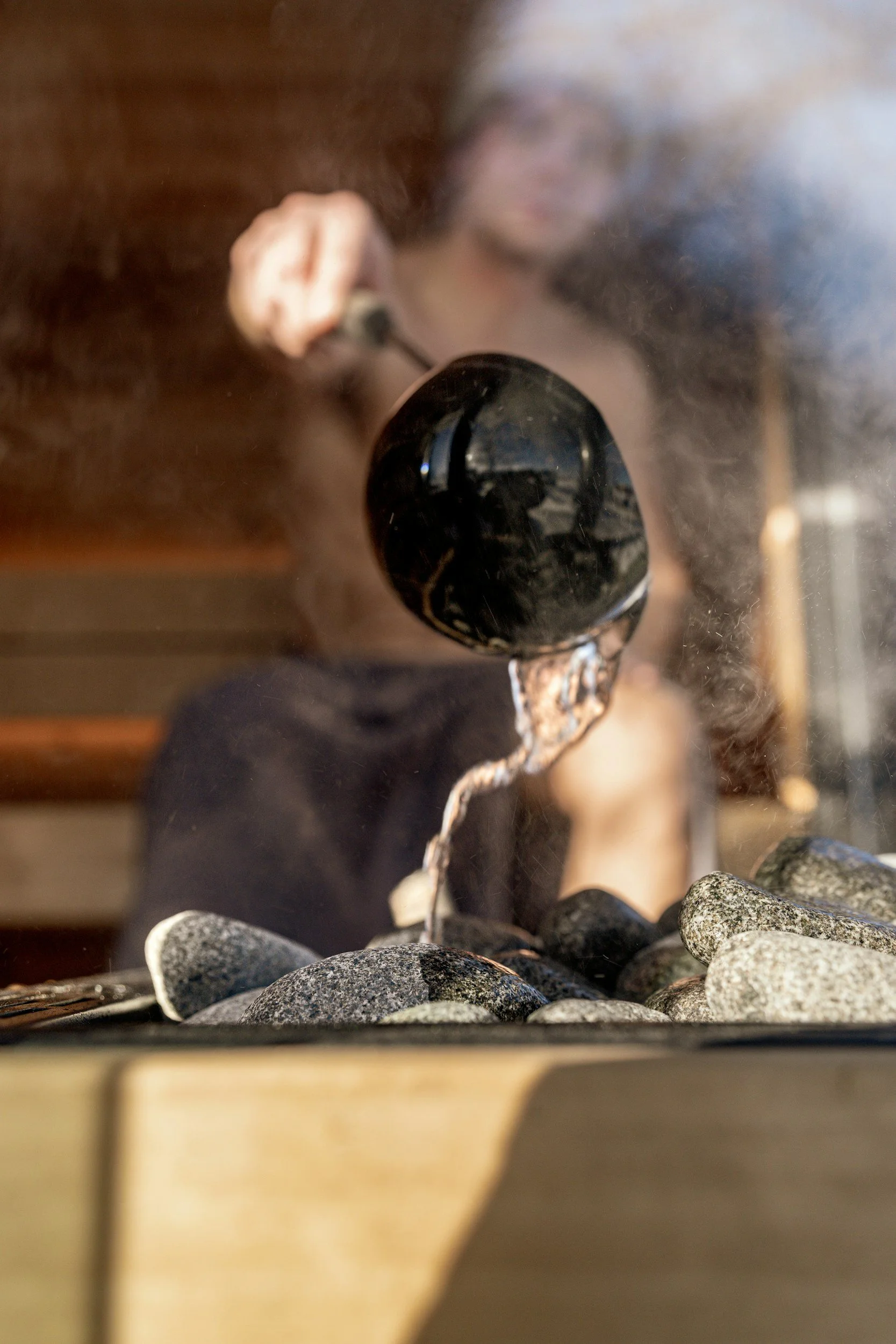
🔥 Deliberate Heat Exposure: The Sauna Stressor
Just as the cold challenges the body to heat up, deliberate heat exposure (most commonly via sauna use) challenges the body's ability to cool down. The high temperatures are a physiological stressor that dramatically increases heart rate and blood flow, mimicking a state similar to moderate exercise.
The benefits of this hormetic response include:
Neurochemical Modulation: Influencing the release of neurotransmitters that regulate mood.
Cardiovascular Conditioning: Improved endothelial function (the health of blood vessel linings).
Cellular Repair: Induction of Heat Shock Proteins (HSPs), which help repair damaged proteins and protect cells from future stress.
Research Highlight (Heat Exposure and Depression/Anxiety):
Research has specifically explored the link between frequent sauna use and a reduced risk of mood disorders.
A large prospective cohort study from the Kuopio Ischemic Heart Disease Risk Factor Study (KIHD) investigated the association between frequent sauna bathing and the future risk of memory diseases and various mood disorders. The study found that men who took a sauna 4-7 times per week had a significantly lower risk of being diagnosed with depression compared to those who took a sauna once per week. This suggests a potential protective effect of regular, deliberate heat exposure on mental health.
(See: Laukkanen, T., et al. (2018). Sauna bathing and risk of psychosis, dementia, and Alzheimer's disease: a prospective cohort study. Age and Ageing, 47(3), 443–451. Note: While the title focuses on psychosis and dementia, the full cohort analysis often includes data points for major depression.)